Conditions That Cause Tingling in Hands
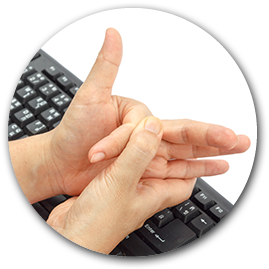
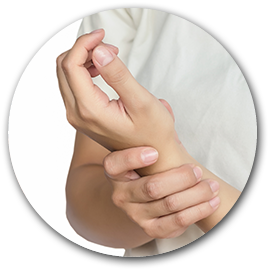
Tingling is often associated with numbness or a “pins and needles” feeling, and can occur in any of the extremities but is frequently felt in the fingers and hands. Tingling in the hands occurs in people all the time, but frequent occurrences could mean there is an underlying condition.
A variety of things can cause tingling, even medications or insect bites. Most tingling occurs due to a pinched nerve, which may be resultant from a number of conditions. While most disorders can be treated and are minor, other serious conditions should be recognized and treated immediately.
Common Conditions
Most of the time patients should not be alarmed if they are experiencing a prickling sensation. Tingling often subsides quickly or with medication when associated with common conditions; while pain ranges from mild to severe, common conditions are not typically life threatening.
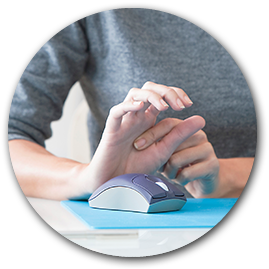
Carpal tunnel syndrome is a condition that is caused by compression of the median nerve. This is caused by repetitive motion with the hands, like typing. Tingling often occurs in the thumb, index and middle fingers. Treatment for carpal tunnel syndrome includes taking anti-inflammatory medication, icing and wrapping the wrist in a splint at home, or surgery in some severe cases.
Bone spurs develop around the joints. They often are associated with additional symptoms including muscle spasms, loss of coordination, numbness, and dull pain in the neck or back. Bone spurs often result from arthritis, worsening with age. Cortisone shots can be prescribed for joint swelling, and muscle relaxants or pain medications may help with discomfort. Serious cases may require surgical removal to decompress nerves.
The B vitamins help your brain and nerve cells develop and work properly, thus vitamin B12 directly correlates with neurological issues like numb or tingling in fingers. Other symptoms include nervousness, loss of appetite, poor digestion, and nausea. To obtain more vitamin B12, individuals can receive shots and take supplements.
Serious Conditions
Sometimes symptoms are early signs of a more severe issue that may be developing. Tingling hands and fingers that do not feel better after a short period could be a sign of multiple sclerosis (MS). Tingling is often the first indicator that people have checked before they are diagnosed. MS is a progressive disease that attacks the protective cells surrounding nerves, which leads to impaired vision, muscle control, and balance. There is not a cure for MS, but certain medications can control symptoms and slow development.
People inflicted with diabetes often have some form of neuropathy, or nerve disorder, caused by a variety of factors including: high glucose levels, inflammation, and mechanical injuries. Damage is already done by the time some symptoms are noticed; and aside from tingling, other signs include burning sensations and pain. There is not a cure for diabetic neuropathy and nerve damage cannot be undone, but there is relief for pain and preventative measures can be taken reduce the risk of this disease.
Persistent tingling can also be a sign of an oncoming stroke or other serious medical condition. If this sensation lasts more than a few minutes and does not fade with stretches or movement, contact a medical professional immediately.
Contact Atlanta Hand Specialist
Atlanta Hand Specialist is North Georgia’s leading medical center for hand and upper extremity conditions. Contact our specialists today at (770) 333-7888, or book an appointment online.
Our physicians and staff will provide expert, friendly service at all of our locations surrounding the Atlanta area.
Four Ways to Avoid Hand Injuries in the Garden
Now that the gardening season has arrived, people everywhere are eager to get out into their yards. Harvesting vegetables and pruning rose bushes may not be as easy as you’d like if you suffer from hand pain, though. Additionally, there are some commonly overlooked practices that may further hand soreness or injuries.
Get gardening today with help from Atlanta Hand Specialist! Use these easy practices to reduce inflammation, promote circulation, and prevent blistering.
Use Garden Tools Correctly
Garden tools often have grips on them, guiding gardeners to properly hold them; sometimes these grips do not fit certain hands which can lead to further discomfort. Make sure grips are cushioned and fit the hands appropriately. Keep wrists straight and unbending when using tools. Repetitive wrist bending can lead to carpal tunnel syndrome and strain on the tendons in the fingers.
If handheld tools continue to cause pain or discomfort, automatic or power equipment is available. These tools are great for pruning, trimming, or shearing.
Switch Hands
Switching hands while working in the garden will prevent repetitive motion and balance out muscle use. Try to switch activities every 30 minutes to an hour, but begin with those that are easiest on the hands. Garden tasks will seem less mundane and hands will be relieved from new motions.
Wear Gloves
When doing any form of yard work, remember to wear gloves to protect your hands. Gardening gloves are specifically made for using tools with them, containing padding in all the right areas. They will help prevent blisters and cuts, but also prevent dirt and other germs from the ground from getting on the hands.
Stretch
Complete stretches and wrist exercises before beginning your gardening. Flexing the thumb, rotating the wrists slowly, and finger extensions are just a few of the great exercises that can help before and after garden work.
Contact Atlanta Hand Specialist
Atlanta Hand Specialist is Atlanta’s premier medical center for hand conditions. Our physicians diagnose, treat, and manage acute and chronic conditions. If you are suffering from pain in your fingers, hands, wrists, or joints, contact one of our locations today.
Make an appointment online or call (770) 333-7888. We are open Monday through Friday, from 8 a.m. to 4:30 p.m.
How to Care for a Casted Hand
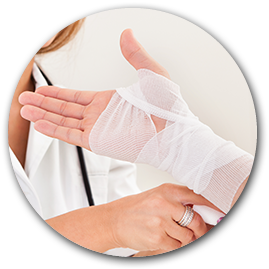
If you have recently had your hand casted, you have probably broken or fractured a bone. Casts function to stabilize the damaged area and avoid repeat injuries. They are usually made out of fiberglass or plaster and should be worn for up to eight weeks.
During their use they must be taken care of to ensure proper healing and avoid further complications. Wearing a cast for a prolonged period of time can lead to irritation and itching, but there are basic preventative measures you can take to protect your cast and hand.
Keeping Clean
The most important factor in preventing infections and irritation is to keep your cast clean and dry. When showering or near any water, cover your cast with plastic to keep water from getting under the shell. Avoid sand, dirt, and other small particles as well.
Collection of moisture can lead to itching of the skin. If showering is not an option, a sponge bath will be necessary—keep all other uncovered skin clean.
If your cast gets dirty, the outside can be cleaned with a lightly dampened cloth. It is essential that you make sure the cast is completely dry afterward.
How to Handle Side Effects of a Cast
Swelling is normal after any injury and usually lasts for around two days. To reduce swelling, elevate your hand by propping on a pillow or comfortable surface. Applying ice that is wrapped in a towel to the outside of the cast for 15 minutes every hour will also help.
To relieve itching, blow a hair dryer down into the cast. Make sure the hair dryer is set on the cool air option. Over-the-counter antihistamines may also provide relief, but check with your doctor before combining any medication. As tempting as it is, never stick objects into the cast to scratch a certain spot. This may lead to infection or worsened irritation.
If the cast continues to itch, try applying special medical anti-itch spray that your doctor can prescribe; or carefully apply a small amount of alcohol around the rim of the cast’s edges. This will not only relieve itching, it will sanitize the area. Remember to slightly wiggle or move unharmed fingers whenever possible to encourage blood flow and healing.
When to See Your Doctor
While itching, swelling, and some mild irritation is common, other symptoms are not. See your doctor immediately if you experience severe pain, numbness or discoloration in the extremities, or have a damaged cast. Casts should be repaired immediately to avoid moisture saturation and promote proper healing.
Contact Atlanta Hand Specialist
Atlanta Hand Specialist has several locations surrounding the Atlanta area including, Smyrna, Marietta, Canton, East Cobb, Douglasville, and Lawrenceville. Our physicians treat a variety of conditions in the hands, fingers, wrists, elbows, and more.
To learn more about our services, view our patient information online or call (770) 333-7888.
Preventing Carpal Tunnel Syndrome
Carpal tunnel syndrome (CTS) develops from a complication with a nerve in your wrist. It starts when tissue swells and presses against the median nerve of your hand. If you suffer from carpal tunnel syndrome, the pain can be debilitating and prevent you from enjoying your normal day to day activities.
Causes of Carpal Tunnel Syndrome
Carpal tunnel syndrome is an inflammatory disorder caused by repeated stress, physical injury, or a medical condition. Several medical conditions increase the risk for carpal tunnel sydnrome, including:
- Osteoarthritis,
- Rheumatoid arthritis
- Hypothyroidism
- Diabetes
- Obesity
- Pregnancy
Other risk factors for CTS include:
- Age
- Gender
- Obesity
Occupational Hazards
If you use your wrists and hands repetitively in your occupation, you may be at a higher risk for carpal tunnel syndrome, especially if you have medical conditions that make your more susceptible to the condition or work in cold temperatures. According to the Bureau of Labor Statistics, some of the top occupations associated with carpal tunnel syndrome are:
- Typists and computer users
- Musicians
- Workers in the fish and meat industry
- Welders
- Construction workers
- Cooks
- Electrical power-line repairers
- Painters
Due to the complexity of carpal tunnel syndrome, most hand specialists agree it’s caused by combination of factors that lead to nerve damage in the hand.
Carpal Tunnel Syndrome Prevention Tips
While there are no proven ways to actually prevent carpal tunnel, you can reduce the stress on your wrists and hands with the following carpal tunnel prevention tips:
- Improve your overall posture. The wrong posture can result in your shoulders rolling forward, which compresses the nerves in your neck. This improper position can affect your hands, fingers, and wrists.
- Keep your hands warm. People are much more likely to develop stiffness and hand pain if they work in a cold environment. Even if you are unable to control the temperature at work, you can use fingerless gloves to keep your wrists and hands warm.
- Relax your grip and reduce your force. The majority of people use much more force than required to perform simple tasks. For instance, using a pen with a softer, oversized grip will prevent you from pressing as hard on the paper or gripping the pen as tightly.
- Pay attention to your form. You should avoid bending your wrist all the way down or up. If you use a keyboard, you can prevent carpal tunnel from typing by keeping the keyboard at elbow height or slightly lower.
- Exercise your wrists and hands. Exercises like the prayer stretch, the shake exercise, and wrist flexor stretch are designed to prevent the symptoms of carpal tunnel syndrome.
- Take regular breaks. Give your wrists and hands a break and gently stretch them periodically. You should also switch tasks whenever possible.
Get Carpal Tunnel Syndrome Relief Today from Atlanta Hand Specialist
Anyone with persistent or recurring numbness, tingling, pain, and weakness of the hand should speak to a hand expert at Atlanta Hand Specialist. If you receive the appropriate treatment early in the disorder, it’s reversible. However, over time the insulation on the nerve will weary away and permanent nerve damage can set in.
Contact Atlanta Hand Specialist today at 770-333-7888 or schedule your appointment online for carpal tunnel syndrome relief.
Exercises to Relieve Symptoms of Carpal Tunnel Syndrome
Carpal tunnel syndrome affects millions of Americans every year. While the exact causes of carpal tunnel syndrome are not clear, most experts know genetic factors, risk factors, and lifestyle factors all play a role in the onset and severity of the condition.
Regardless of the cause, carpal tunnel syndrome can cause stiffness, numbness, and pain. However, there are a few basic carpal tunnel exercises you can do at any time of the day to help relieve your symptoms and prevent further onset. Continue reading to learn a few simple, but effective carpal tunnel exercises you can do at home or work for relief.
Spider Fingers
Similar to the children’s nursery rhyme “The Itsy Bitsy Spider”, start this exercise with your hands together in a one similar to a praying position. Then spread your fingers apart as far as you can and “steeple” your fingers by separating the palms of your hands.
In this position, the fingertips of each hand are the only parts that should be touch. This motion stretches the nerve that gets irritated in CTS as well as your palmar fascia and other carpal tunnel structures.
The Prayer Stretch
The prayer stretch is a simple exercise that may help prevent some of the symptoms of CTS. Get started with your palms together in the prayer position. Your hands should be in front of your chest below your chin.
Begin the exercise by slowly lowering your hands toward your wait. Make sure to keep your palms together with your hands close to your stomach. Hold this position for 15 to 30 seconds until you feel a mild stretch under your forearms. Repeat this exercise two to four times.
The Shake
This exercise is extremely simple and straightforward. Get started by shaking your hands just as if you have washed them and trying to let them air dry. You can perform this carpal tunnel syndrome exercise for approximately a minute every two hours.
The Wrist Flexor Stretch
Begin the wrist flexor stretch by extending your arm out in front with the palm facing upward. The next stop is to bend your wrist backward in a position so your hand is pointing toward the floor. Then gently bend the wrist back farther with the other hand until you feel a moderate to mild stretch in the forearm. Maintain this position for a minimum of 15 seconds to 30 seconds. Repeat the wrist flexor stretch exercise two to four times for optimum results.
The Wrist Extensor Stretch
The wrist extensor stretch is very similar to the wrist flexor stretch exercise. Get started by extending your arm out in front of you with your palms facing down. Then, bend the wrist downward, which will result in your fingers pointing toward the flow.
Gently take your other hand to bend the wrist back farther. You will feel a moderate stretch in the forearm. You can repeat this carpal tunnel exercise two to four times. Make sure to hold the position anywhere from 15 to 30 seconds.
Schedule an Appointment with Atlanta Hand Specialist for Carpal Tunnel Syndrome Relief
If you are suffering from wrist pain or carpal tunnel syndrome, visit Atlanta Hand Specialist in Smyrna, Marietta, Canton, East Cobb, Douglasville and Lawrenceville.
Contact Atlanta Hand Specialist today at 770-333-7888 or schedule your appointment online for carpal tunnel syndrome relief.
Coping After Hand or Finger Amputation
An amputation is considered the complete loss or the partial loss of a digit or limb. Finger or hand amputations may be required as the result of a severe crush injury, malignant tumor, serious infection or accidental injury.
While every finger amputation will be different, most people are able to return to work, hobbies, and sports after treatment. However, your actual recovery time can vary based on your pain tolerance complications, and amputation type.
The best results are seen with patients who are highly motivated and looking to return to their normal life. Simply put, your dedication and motivation toward recovery can play major role in the rate you recover. Continue reading to learn more about adjustment after hand or finger amputation.
Finger or Hand Amputation Rehabilitation
Following your amputation, you will most likely begin rehabilitation. Although it may be uncomfortable, rehabilitation is an essential tool for adjustment. Your hand, physical, or occupational therapist will work to help you to perform and engage in the tasks of daily life as quickly as possible. In therapy, you may be asked to perform various exercises and tasks with the goal of:
- Preserving useful sensitivity
- Preserving the functional length
- Preventing adjacent joint contractures
- Preventing symptomatic neuromas
- Achieving short-duration morbidity
In the end, your rehabilitation and therapy sessions will be vital in helping you become acclimated to the amputation. Depending on the severity of your finger or hand amputation, your treatment team may also include psychologists and social workers.
Caring for a Hand or Finger Amputation at Home
After a finger or hand amputation, it’s imperative you go to all of your appointments because follow-up care is an essential component of your safety and treatment. If you notice any problems or have concerns, you should call your physician or nurse immediately.
It’s also a great practice to know your test results and keep a list of all of the medications you take. To help you in the recovery process, make sure to:
- Always wear the splint exactly as explained by your physician. Avoid getting the splint wet and avoid taking it off until your doctor says it’s okay.
- To reduce swelling, keep your hand raised above your heart as much as possible.
- Follow your doctor’s instructions for caring for the wound.
- Be safe with your medication. Take any pain medication as prescribed by the doctor.
- If you are not taking prescription pain medicine, ask your physician which over-the-counter you should take.
- Take all antibiotics exactly as prescribed. You should never stop taking antibiotics simply because you feel better. Make sure to finish the full cycle of antibiotics.
- After your doctor removes the bandages, do not touch the area with the stitches and keep it dry.
Prosthetics Options
There are a wide array of prosthetic options available after a hand or finger amputation. These options are designed to bolster functionality by restoring length to the amputated hand or finger. The goal of the prosthetic device is to help you adjust to the amputation and to improve the overall cosmetic appearance of the hand.
Schedule an Appointment with Atlanta Hand Specialist
At Atlanta Hand Specialist, we offer complete and innovative solutions for hand or finger amputations. We will consider your lifestyle and several other factors to help you arrive at the most viable and effective amputation and prosthesis solution.
Contact Atlanta Hand Specialist today at 770-333-7888 or schedule your appointment online.
Swan-Neck Deformity
Swan-neck deformity is a condition explaining the deformed position of your finger. This condition is a complex ailment where the proximal IP (PIP) joint over straightens because of a lax ligament on the palmar side of the joint. The ligament on the palmar side of the joint is called the volar plate, which is designed to prevent over straightening. When a patient is experiencing a swan-neck deformity, the finger will have a hyperextended PIP joint and a bent distal IP (DIP) joint, making finger appear in a position that resembles a swan’s neck.
What Causes Swan-Neck Deformity?
The most common cause of swan-neck deformity is rheumatoid arthritis. The chronic inflammation on the PIP joint stretches the volar plate. As the volar plate becomes stretched and weakened, the PIP joint begins to hyperextend. This causes the extensor tendon to get out of balance, which makes the DIP joint to get pulled down toward the flexion.
Swan-neck deformity commonly results from an overlooked injury in childhood, adolescence or young adulthood. The finger can begin bending downward on its own and stay in a fixed over straightening position. If this happens, this condition can be extremely debilitating. Other causes of swan-neck deformity include:
- Untreated mallet finger
- Looseness of the fibrous plate
- Looseness of the finger ligaments
- Chronic muscle spasms caused by nerve damage
- Other types of arthritis
- Ruptured finger tendon
- Misalignment
Diagnosis and Treatment of Swan-Neck Deformity
In most instances, swan-neck deformity can be diagnosed from a physical examination. However, an X-ray may be ordered to allow the physician to examine joint alignment, check the condition of joint surfaces and determine if a fracture is present. After diagnosis is complete, physicians can use either non-surgical or surgical treatment options.
Non-surgical Treatments
Non-surgical treatments are based on restoring balance in the fingers and hand. The goal of non-surgical treatment is to realign the PIP joint and prevent hyperextension, which should restore DIP extension. Stints are commonly used to protect the joint from hyperextending and line PIP joints up.
Physicians may also prescribe physical and occupational therapy in order to restore function and alignment.
Surgical Treatments
If non-surgical techniques are unable to treat the swan-neck case, surgery may be used to reconstruct the hand around the PIP joint. Your physician may use soft tissue repair, PIP joint arthroplasty and/or finger joint fusion to remedy your swan-neck deformity.
Schedule an Appointment with Atlanta Hand Specialist
Swan-neck deformity is a debilitating condition that can affect every area of your life. The experts at Atlanta Hand Specialist offer several years of experience treating this condition and other conditions of the hands and fingers. We treat patients of all ages and offer multiple locations around the metro Atlanta area.
Schedule your appointment with Atlanta Hand Specialist today.
Mallet Finger
Mallet finger or baseball finger is an injury to the relatively thin tendon that straightens the end joint of your finger and thumb. With mallet finger, the end joint of your fingertips will bend, but will not straighten by itself. You may be able to physically push your finger straight, but will not naturally hold this position.
What Causes Mallet Finger and Baseball Finger?
The most common cause of mallet finger is when some unyielding object (such as a baseball) hits your thumb or finger and causes it to bend back further than intended. When this happens, the force of the blow tears your extensor tendon. Mallet finger can also occur by a minor force – such as tucking in a bed sheet. After force or impact has occurred, patients are unable to straighten the thumb or fingertip on their own.
What Happens When You Have Mallet Finger?
A mallet finger injury can either pull the tendon away from where it attaches to the finger bone or outright rupture the tendon. In some instances, a tiny piece of your bone is jerked away with the tendon, which is called an avulsion injury. The most common fingers to be injured are the small finger, ring finger and long finger on your dominant hand.
Symptoms of Baseball Finger or Mallet Finger
If you have mallet finger, your finger may be bruised, swollen and painful. Your fingertip will noticeably droop and will only straighten if you push it in place with your other hand. If your nail is detached or if there is blood beneath the nail, it’s vital to seek medical attention to avoid infection. These may be indicators of a cut in the nail bed or a broken finger bone with an open fracture. Each of these injuries places you at risk of infection.
Treatments for Mallet Finger
A mallet finger injury requires the attention of a hand surgeon or hand specialist in Atlanta. Your visit will include a physical examination and an x-ray to determine if the injury forced your bones out of alignment. If you leave this condition untreated, it may result in deformity and stiffness. In children, mallet finger can affect the cartilage, which controls bone growth.
In either case, the hand experts at Atlanta Hand Specialist can treat most mallet finger conditions with non-surgical treatments, such as a splint. If your joints are out of line or if there is a large fracture fragment, your physician may consider surgical repair.
Schedule an Appointment with Atlanta Hand Specialist
Mallet finger or baseball finger can be frustrating and painful, but Atlanta Hand Specialist offers multiple treatment options to remedy this condition. The physicians and staff at Atlanta Hand Specialist provide innovation solutions for a wide range of conditions affecting your hands, arms, fingers, and thumb. We treat patients of all ages and offer multiple convenient locations around the metropolitan Atlanta area.
Schedule your appointment today with Atlanta Hand Specialist.
Boutonniere Deformity
There are several tendons running along the top and side of your fingers that are working simultaneously to help it straighten and bend. The central slip of tendon on the top of your finger is connected to the middle bone in your finger. If this integral tendon is injured, you may be unable to straighten your finger fully, which explains boutonniere deformity. If boutonniere deformity is left untreated, the condition may worsen and result in impaired function and deformity.
What Causes Boutonniere Deformity
In most instances, boutonniere deformity is caused by a “jammed finger” or an impactful blow to the top side of the middle joint in a bent finger. This ailment can also be the result of a cut on the top of your finger. If the cut is deep enough, it can actually sever the tendon from its connection to your bone. When this happens, the tear looks similar to a French “boutonniere” or buttonhole. In rare instances, the bone could start protruding through the opening. A third cause of the boutonniere deformity is arthritis.
Symptoms of Boutonniere Deformity?
Patients can begin developing signs of boutonniere deformity immediately after an injury to the finger. In some cases, symptoms can develop anywhere from one to three weeks later. Some of the most common symptoms of boutonniere deformity include:
- The middle joint of the finger swells and starts to hurt
- You have problems straightening your finger at the middle joint
- The fingertip cannot be bent
Diagnosing and Treating Boutonniere Deformity
Boutonniere deformity is one of many injuries that can be caused by jamming your finger. Because of this, it’s imperative to consult the hand experts at Atlanta Hand Specialist for a proper diagnosis. During the diagnosis, your hand specialist will examine your hand and fingers. You may be asked to straighten and bend the fingertip of the affected finger. Your physician may also request x-rays to determine if there are any broken bones.
If you want to keep the full range of motion in your finger, it’s important to seek treatment immediately. There are two different treatment options for boutonniere deformity:
Non-surgical Treatment
Non-surgical options are the preferred solution for boutonniere deformities. A few of the most common treatment options are:
- Exercises designed to bolster the flexibility and strength in your fingers.
- Splints can be applied on your finger at the middle joint to keep it straight. Splints allow the end joint of your finger to bend, while preventing the tendon from separating as the finger heals.
- Protection or taping can be used after the splint has been removed, especially if you play sports.
Surgical Treatment
Although non-surgical methods are preferred, certain instances require surgery, such as:
- If your tendon has been severed.
- If your condition doesn’t heal with the splint.
- A bone fragment is displaced from its normal position.
- If your deformity is the result of rheumatoid arthritis.
Contact Atlanta Hand Specialist
If you suffer from boutonniere deformity, the hand experts at Atlanta Hand Specialist offer treatments for relief. The staff and physicians at Atlanta Hand Specialist treat patients of all ages for conditions affecting hands, arms, fingers and thumbs. We offer several convenient locations around the metro Atlanta area.
Schedule your appointment online today to see a hand expert at Atlanta Hand Specialist.
Atlanta Hand Specialist in Marietta, Georgia
At Atlanta Hand Specialist in Marietta, Georgia, we provide industry-leading medical treatments for conditions affecting the wrist, elbow, fingers, thumb and hand. Our board-certified physicians and surgeons offer a vast array of treatments in a warm and comfortable environment. Our ultimate goal is to provide effective solutions, so you can live a fully engaged and active life. We achieve this goal by utilizing the most advanced equipment and keeping a group of highly skilled physicians on staff at all times.
Conditions Treated at Our Marietta Office
Wrist Problems
Our experienced physicians and surgeons provide solutions for all wrist complications, including fractures, wrist sprains and ganglion cysts.
Hand Conditions
Problems with your hand can prevent you from writing, working, and simply enjoying life. Trust the qualified professionals of Atlanta Hand Specialist in Marietta to provide the most viable solution.
Elbow Ailments
Whether you suffer from elbow bursitis, tennis elbow, arthritis in the elbow or any other painful or nagging problem, our medical team will remedy your elbow ailment and guide you to the road of recovery.
Finger Complications
The board-certified medical professionals at Atlanta Hand Specialist offer relieving treatments for fingertip injuries, trigger finger and other types of finger complications.
Additional Hand Conditions
In addition to the wrist, finger, hand and elbow conditions listed above, we also provide additional general treatments in our Marietta office, including arthritis, amputations, replantations, and more.
Why Atlanta Hand Specialist?
Although today’s general practitioners have the ability to treat certain hand conditions, most conditions require the expertise of a hand specialist or a hand surgeon. The medical field surrounding upper extremities and hand conditions is constantly evolving at a rapid pace. As a result, it’s imperative to choose a hand surgeon or hand specialist who is dedicated to the practice.
The hand surgeons and hand specialist in Marietta, GA work diligently to stay up to date on all of the latest advancements in the field. Since the well-being of your hands and upper extremities are directly related to your livelihood, it’s vital to choose a physician who can provide treatment based on the latest research and best practices.
Schedule an Appointment with Atlanta Hand Specialist in Marietta, Georgia
At our Marietta office, we use state-of-the-art technological solutions to provide a higher level of care. We utilize on-site imaging, casting options, and provide therapy at our convenient location in Marietta, Georgia. Our office is conveniently located in Marietta, Georgia near the intersection of Cobb parkway North and Canton Road Connector NE. You can visit us at:
729 Church Street NE, Suite 104
Marietta, Georgia
30060