Ligaments, Tendons, & Bones! Oh My!
Every time you make a fist or wave goodbye to a loved one, there are several bones, tendons, and ligaments at work in your hand. As one of the most complex and fascinating body parts, each hand is made up of 27 different bones as well as a variety of tendons and ligaments.
Due to the large number of ligaments, tendons, and bones, it’s imperative to choose the expertise of a hand specialist to quickly diagnose conditions of the hand, wrist, thumb, and fingers. Continue reading to learn more about some of the most integral bones, tendons, and ligaments making up the anatomy of your hand.
General Anatomy of the Human Hand
While other mammals have claws, paws, and talons, your hands are distinctly designed to allow you to grasp objects. One of the key distinguishing features of your hands are opposable thumbs. Your hand, is comprised of three distinct areas:
- The palm of your hand is the central part of the inside region of your hand. The skin on the palm includes tiny dermal papillae, which increases friction. You also have dermal papillae on your fingers and fingertips
- The dorsal or opisthenar area is the area corresponding with your palm on the backside of your hand.
- The heel of your hand is at the base of your metacarpal bones. The heel of the hand is the area that sustains the most pressure anytime you use your palm for support.
Bones of the Hand – Carpals, Metacarpals, and Phalanges
All of the bones in your hand work together simultaneously to provide flexibility and support to the soft tissue. The bones in your hand can be divided into three different categories.
- Carpal bones are proximal to your body, meaning they are the bones located closest to the wrist. These bones are a set of eight irregularly shaped bones that form the base of the hand.
- Metacarpals are found in the palm or middle of the hand. In total, there are five metacarpals, and each one is directly related to a digit.
- Phalanges are simply the bones in your fingers. Each of your fingers are comprised of three different phalanges. However, your thumb only has two phalanges.
The Connective Hand Ligaments
The ligaments in your hands are strong bands of tissue that are connected to your bones. Ligaments are responsible for supporting and providing structure to your bones. Each hand is comprised of six major ligaments:
- Volar Plate is a ligament that connects the middle phalanx on the palm side of the joint to the proximal phalanx. When your finger straightens, the volar plate tightens to keep the joint from bending backward. Complications with the volar plate are commonly associated with Swan-Neck Deformity.
- Collateral ligaments are located on either side of the thumb and finger joints. These ligaments prohibit sideways movement of the joint.
- Radioulnar and ulnocarpal ligaments are two sets of ligaments that support the wrist.
- Volar radiocarpal ligaments are a complex web of ligaments providing support for the wrist on the palm side.
- Dorsal radiocarpal ligaments support the back of the wrist.
- Ulnar and radial collateral ligaments are a pair of ligaments that provide stability and bind the bones of the wrist.
The Five Vital Tendons of the Hand
The tendons are bands of connective tissues tasked with attaching bones to the muscle and enabling your muscles to move your bones. The primary tendons in your hand include:
- Your hand has nine long flexor tendons that pass from your forearm through the wrist’s carpal tunnel.
- Profundus tendons travel through your wrist and hand on the anterior or palm side. These tendons are responsible for working with the superficialis tendons to flex the MCP joints, PIP joints, and wrist.
- Similar to the profundus tendons, superficialis tendons travel through the palm side of your hand and wrist and attach to the bases of your middle phalanges. These tendons work with your profundus tendons to flex the MCP joints, PIP joints, and wrist.
- The extensor tendons are located in your fingers and attach to the distal and middle phalanges. The extensor tendons work to extend the PIP, MCP, and DP joints. Extensor tendons also work to extend the wrist.
- Abductor pollicis longus and extensor pollicis brevis are responsible for thumb movement. These tendons run from from the muscles located in the top of your forearm.
Contact Atlanta Hand Specialist
The hand surgeons and physicians at Atlanta Hand Specialist practice exclusively on matters affecting your fingers, thumbs, wrist, and hands. By solely focusing on these extremities, we are able to deliver the highest possible level of care. If you are experiencing any complications with your hand and upper extremities, trust the experts at Atlanta Hand Specialists to facilitate a rapid recovery.
Schedule your appointment online today with Atlanta Hand Specialist.
Hand Safety When Carving Pumpkins
Most people’s favorite part of fall centers around Halloween: costumes, crisp leaves, trick-or-treating, and, of course, pumpkin carving. For the traditionalists, there are the whimsical jack o’ lanterns; for the creative, there are negative space carvings or silhouettes; and for the ambitious, there are bas-relief engravings that allow their pumpkins to shine even during the day. However, each of these styles requires sharp instruments, which is one of the main reasons that Halloween results in so many injuries. Almost 20{8a84bec29f0c6191c5749bf28eb523294366e43ed833a200fa3533daa6774e4e} of these are hand injuries, many of them occurring in children.
Pumpkin Carving Safety
Regardless of your carving style, there are a few things you need before getting started. Begin with a clean, dry pumpkin and a well-lit carving area. If your pumpkin is wobbly, make sure to slice off the bottom to ensure a stable canvas. Turing your pumpkin into something spooky is a family activity, and it should remain one for the whole process; adult supervision is the best way to prevent hand injuries.
Children should rarely be doing the actual carving themselves. However, there are some tools specifically designed to allow children to take part. These usually come in kits which include small, serrated, blunt-tipped carving saws; scoopers; templates; and pokers (to trace the template with).
Make sure to never cut toward yourself, be aware of your hand placement, and use a gentle back-and-forth motion. When it comes to your knife choice, sharper is not better. Kitchen knives, though sharp, offer little control and require more force to cut. Small serrated blades often work best.
What to do if an Injury Occurs
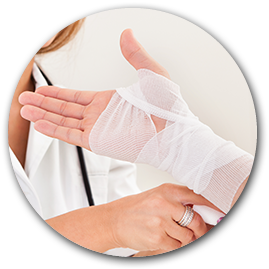
If an injury does occur, apply pressure with a clean cloth until bleeding stops. Remove any jewelry that might impede blood flow or compress nerves if swelling is a risk. If the cut is minor, clean with warm water and soap, use antibiotic ointment and a sterile bandage, ice and elevate. Call 911 if bleeding does not stop after several minutes, blood is spurting, coldness or numbness is experienced, or amputation occurs.
Contact the Experts at Atlanta Hand Specialist
Get back into the spirit of the season as quickly as possible with the expert care at Atlanta Hand Specialist. For any and all injuries requiring surgery or special treatment, experienced doctors at all six of our locations are here to help. Call 770-333-7888 or book an appointment online. Same-day appointments are available.
6 Ergonomic Products for Work and Home
What does it mean to be ergonomic? Essentially, ergonomic means to be designed for the user, rather than expecting the user to adapt to the product’s design. Ergonomic designs typically put less stress on the user’s physical body, allowing them to work and live more comfortably. They also help prevent repetition-related stress injuries like carpal tunnel and muscle strains.
Some of the ergonomic products that the hand experts at Atlanta Hand Specialist recommend include the following:
Ergonomic Keyboards
Because the average office worker spends more than seven hours a day using the computer, ergonomic keyboards can help prevent stress injuries. Ergonomic keyboards are slightly rounded with a break in between the keys in the center of the board. This design works with the hand’s and wrist’s natural resting position to prevent injury.
Ergonomically Designed Computer Mouse
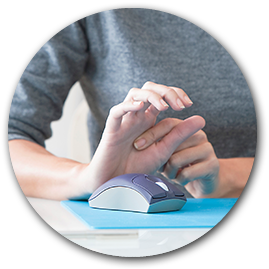
Many workers also enjoy using an ergonomic mouse that either doesn’t require rolling or is shaped to fit the natural resting position of the hand. This can help prevent strain on the wrist.
User-Friendly Standing Desk
With the typical work day lasting 8-10 hours in the United States, it’s vital to find office furniture that supports your physical health. A good ergonomic alternative to the typical desk is the standing desk. This desk allows you to sit or stand, relieving the danger of blood clots and encouraging you to move more throughout the day.
Comfortable, Ergonomic Chair
Ergonomic desk chairs are available that can provide lumbar support to prevent back strain. They are also made for maximum comfort with specifically designed cushioning to relieve joints. Ergonomic chairs should have an adjustable height, lumbar support, and arm rests.
Ergonomic Kitchen Utensils
The kitchen is a place people spend much of their time in, preparing, cooking, and enjoying meals. To help prevent overuse injuries, invest in ergonomic kitchen utensils designed to make repetitive movements carry less strain. From spring-loaded kitchen scissors to easy-grip pots and pans, these simple product changes in your kitchen can help prevent wrist and hand injuries.
Foot Rests and Lumbar Cushions
Cushions and supports are easy additions to your home, office, and car that can be helpful in preventing back strain. Although comfortable, many chairs and couches are not ergonomically designed and can actually cause stress to your back and neck muscles. With the proper cushion supports and foot rests, you can enjoy a movie at home without worrying about muscle pain or soreness.
Find Hand and Wrist Treatment at Atlanta Hand Specialist
If you suffer from carpal tunnel or other wrist and hand pain from strain and stress, visit the experts at Atlanta Hand Specialist. Our compassionate care can help give you the relief you need for a pain-free work or home life. Contact us today at 770-333-7888 to learn more about our services or to make an appointment.
Endoscopic Carpal Tunnel Release Surgical Procedure
Carpal tunnel syndrome (CTS) is a condition that causes weakness and pain in your wrist and hands. The disorder develops as a result of problems associated with the median nerve in your wrist. In most instances, carpal tunnel syndrome is treated with various nonsurgical solutions, such as splints and physical therapy. If the nonsurgical options are ineffective, your hand specialist may suggest minimally invasive endoscopic carpal tunnel surgery.
What Is Endoscopic Carpal Tunnel Syndrome Surgery?
During endoscopic carpal tunnel surgery, your Atlanta hand surgeon will use a tiny, flexible tube with a high-resolution camera attached to it. The camera is called an endoscope. After making a small incision at the wrist and palm or in the wrist, the endoscope is inserted and guided in the opening. The endoscope allows your hand surgeon to examine all of the structures in your wrist without opening your entire wrist with a larger incision.
When performing endoscopic carpal tunnel syndrome surgery, there are two different methods your hand surgeon can use:
- The single-portal technique that requires a small incision in the wrist
- The two-portal technique requires the surgeon to make a small incision at the palm and wrist.
Endoscopic carpal tunnel surgery is an outpatient procedure, which means you will return home the same day.
Why Is Endoscopic Carpal Tunnel Surgery Done?
If you are still having carpal tunnel syndrome symptoms after several months of nonsurgical treatment, your hand specialist may consider a minimally invasive surgical procedure. Patients with ongoing cases of carpal tunnel syndrome or those with more severe symptoms may also be candidates for endoscopic CTS surgery.
Anytime the patient has damage to the median nerve or they are at risk of damage, endoscopic carpal tunnel surgery would be preferred. Median nerve damage could be indicated by loss of finger and hand function or through test results.
What to Expect Following Surgery
With endoscopic carpal tunnel surgery, the recovery period is significantly faster than the standard carpal tunnel open surgery. Immediately after the procedure, most patients report that their numbness and pain has been alleviated. Other patients report relief a few months following the procedure. Patients should avoid any type of heavy use of their hands for the first few weeks after the surgery.
Contact Atlanta Hand Specialist for Endoscopic Carpal Tunnel Surgery
If you are considering undergoing endoscopic carpal tunnel surgery, it’s vital to choose a hand surgeon with extensive experience performing this procedure. At Atlanta Hand Specialist, our surgeons offer decades of experience and are highly specialized in all matters of the hand, wrist, elbow, and fingers.
We treat everything from carpal tunnel syndrome, cubital tunnel syndrome, tendonitis, and arthritis, to more complex disorders, such as nerve injuries and fractures. We offer comprehensive solutions and treatment plans for a variety of conditions.
Contact an Atlanta Hand Specialist office today to schedule an appointment.
Choosing a Minimally Invasive Carpal Tunnel Surgery
Carpal tunnel syndrome (CTS) is a painful condition caused by an increased amount of pressure on the median nerve at the wrist. If you have tried non-surgical treatments and your symptoms have not improved, you may be eligible for surgical treatment option.
In general, there are two different procedures used by physicians to remedy carpal tunnel syndrome: open carpal tunnel release and endoscopic carpal tunnel surgery. The complication rates and risks are exceptionally low with both procedures. However, the minimally invasive carpal tunnel surgery offers several benefits over the traditional method.
Continue reading to learn why patients and Atlanta physicians are choosing the minimally invasive carpal tunnel surgery as primary treatment for CTS.
Why is This Surgery Minimally Invasive?
Endoscopic carpal tunnel surgery or endoscopic carpal tunnel release surgery is a minimally invasive, but effective procedure designed to alleviate your carpal tunnel syndrome symptoms. During this procedure, the physician uses a thin, specialized device with an endoscope or tiny camera attached to the end of it.
In the single-portal technique, the endoscope is strategically guided through the small incision at the wrist. The device contains both the cutting tool and camera. Once the endoscopic tool is in place, the surgeon is able to clearly see all of the interior structures of the wrist, including the transverse carpal ligament.
The precision of the endoscope allows the hand surgeon to make the same movements as if he or she made the larger incision of an open carpal tunnel procedure.
What Happens During Endoscopic Carpal Tunnel Release Surgery?
Once the surgeon guides the tiny endoscope in place, they use the endoscopic cutting tool to sever the transverse carpal ligament. By cutting this ligament, pressure on the median nerve is relieved, which alleviates the symptoms of carpal tunnel syndrome.
After the procedure is complete, the physician closes the tiny incision in the palm with stitches. Eventually, the gap where the ligament was severed will close and fill with scar tissue without affecting the increased space of the carpal tunnel.
Is Carpal Tunnel Surgery an Inpatient or Outpatient Procedure?
The endoscopic carpal tunnel release surgery is an outpatient procedure, which means you will go home on the same day. In comparison with a standard open carpal tunnel surgery, this procedure has a significantly shorter recovery period.
The short recovery time can be attributed to the fact that the procedure doesn’t disturb a larger surface area of the hand. While standard open carpal tunnel surgeries require a large opening in the palm of your hand, endoscopic carpal tunnel surgery involves a tiny incision.
What Happens After Endoscopic Carpal Tunnel Release Surgery?
Most patients experience instant relief from numbness and pain after the procedure. Over the following months, your condition should continue to improve. During the first four or five days following your surgical procedure, it’s imperative to keep the dressing and incision as dry as possible.
You should also practice routine bathing and handwashing practices to keep the cut as clean and bacteria-free as possible. Most importantly, you should follow your hand surgeon’s specific instructions.
Contact Atlanta Hand Specialist for Minimally Invasive Procedures
At Atlanta Hand Specialist, we utilize state-of-the-art, minimally invasive surgical procedures for a long list of ailments affecting the hand, wrist, elbow, and fingers. We offer six convenient locations in:
- Smyrna, Georgia
- Marietta, Georgia
- Canton, Georgia
- East Cobb, Georgia
- Douglasville, Georgia
- Lawrenceville, Georgia
Call 770-333-7888 to schedule a consultation or book an appointment online through our patient portal.
Wedding Ring Safety Tips for the Hand
Although you vowed “till death do us part” at the altar, it doesn’t mean you are required by law or moral code to wear your wedding every waking hour. In reality, there are several times when it’s more important to your hand and finger health to take it off. Stay safe and use the following wedding ring safety tips to protect your ring and hand.
Be Careful When Working Around Machinery – Ring Avulsion
If you work around or with heavy machinery, it’s important to stay alert and carefully consider removing your wedding ring to prevent ring avulsion injuries. Ring avulsion injuries are explained as a sudden pull on a ring that results in a mild to severe soft tissue injury.
These injuries can range from simple lacerations to complete amputations. Since your hands are more than likely directly related to your ability to earn a living, it’s best to remove your wedding ring anytime you are working around heavy machinery or moving parts.
Choosing the Right Ring Size
The majority of people are exceptionally reluctant to remove their wedding bands. Most people wear them through exercise, winters, summers, and pregnancies – all times when your fingers contract and swell due to cold, heat, weight gain, and water retention. If this explains your ring wearing habits, it becomes increasingly important to choose the right size.
In order to find the right size that will best weather life’s changes, do your final fitting when your body temperature is normal and you are relaxed. Avoid finalizing your ring size in the early morning because people typically retain salt from the previous night. You should also avoid having your hand sized after you have exercised because your fingers will swell.
Choose the Right Metal for Your Occupation
If you sit at a desk all day, virtually any ring may be suitable for your occupation. However, certain professions are better suited for specific metals. For instance, if you or your spouse is a mechanic, it may be best to avoid the harder metals, such as platinum.
In the event of an accident and the ring has to be cut off, a platinum ring would be infinitely more difficult to remove in comparison to a silicon ring. If a hospital or medical office does not have the proper equipment to remove the extra-strength wedding band, the finger may have to be amputated. In the end, it’s imperative to choose a wedding ring that matches your lifestyle and is safe for your occupation.
Contact Atlanta Hand Specialist to Learn More
While Injuries to your finger while wearing a wedding ring are rare, they can have major consequences. In most instances, these injuries are directly related to your occupation and are preventable. However, the experts at Atlanta Hand Specialist offer decades of experience helping patients recover from a variety of hand-ring related injuries. We specialize in treating all matters affecting the hand and upper extremities.
Contact Atlanta Hand Specialist today to schedule your appointment at one of our convenient locations.
Treating Dog Bite Wounds of the Hand
According to the Centers for Disease Control and Prevention, approximately 4.5 million dog bites occur each year. Even though they are common, dog bite wounds of the hand can result in serious infections, pain, and a long list of other problems.
Your hands are comprised of several ligaments, muscles, small bones, and tendons that make them susceptible to a wide range of injuries. If your hands are not able to function properly, it can affect your ability to work and enjoy day-to-day activities.
The expert hand surgeons at Atlanta Hand Specialist offer comprehensive treatment plans for dog bite wounds of the hand. Continue reading to learn what to do after suffering a dog bite wound of the hand.
First Aid Treatment for a Minor Dog Bite Wound
If the dog bite results in minor bleeding, your skin may be barely broken. In this case, the chances of infection are minimal. Even so, it’s important to use the following steps to expedite your recovery.
- Wash your hands thoroughly with antibacterial soap and water before you treat the wound and after.
- Sanitize the area around the dog bite with mild soap and running water. Afterwards, pat dry. This will reduce the risk of infection.
- Once you dry your skin, apply antibiotic ointment such as Neosporin, and cover the wound with sterile dressing or a clean bandage.
- Reduce the likelihood of swelling by applying a cold compress or an ice pack wrapped in a towel for 5 to 10 minutes.
- Schedule an appointment with Atlanta Hand Specialist to ensure none of the underlying structures of your hand were damaged.
First Aid Procedures for Deep Dog Bites
If the dog bite results in a deeply punctured or torn wound, the situation may be more urgent.
- Immediately wash your hands with water and soap before and after touching or treating the wound.
- Carefully inspect the wound and use water to remove any loose debris or dirt.
- Use a sterile bandage, towel, or clean cloth to directly apply pressure to the injury to stop the bleeding. As you apply pressure, it’s best to elevate the impacted area.
- If you are unable to stop the bleeding, you should call 911 immediately or go to the emergency room.
- Once the wound has been contained, call Atlanta Hand Specialist to schedule an appointment.
Why Should I See a Hand Specialist After a Dog Bite Wound?
Dog bites that break the skin may introduce an array of viral or bacterial deep-tissue infections. With any type of hand infection, it’s important to treat the wound early with aggressive measures. Failure to do so can result in complications even after the infection has cleared, such as:
- Stiffness
- Destruction of tissue
- Loss of bone
- Loss of nerve
- Reduction in hand strength
At Atlanta Hand Specialist, we take dog bites very seriously. We use advanced imaging technology to determine whether the bite has damaged any joints or bones in your hand. We also use this technology to learn if any tooth fragments are left in your hand. If an infected dog bite wound goes untreated for too long, an x-ray will reveal evidence of bone infection or osteomyelitis.
Contact Atlanta Hand Specialist Today
If you have been bitten by a dog, it’s important to care for your hand as quickly as possible. Even though you may be able to treat the superficial wound at home, it’s imperative to contact the dog bite wound experts at Atlanta Hand Specialist.
Our fellowship-trained, highly specialized hand surgeons will manage, diagnose, and treat virtually all problems associated with the hand, wrist, elbow, and finger. We provide innovative solutions for tendonitis, carpal tunnel syndrome, arthritis and several other complex disorders, such as nerve injuries and fractures.
Contact Atlanta Hand Specialist today for expert treatment solutions for dog bite wounds of the hand.
Repetitive Strain Injuries (RSI) of the Wrist
Repetitive strain injuries, or repetitive stress injuries, are common injuries among many people. Repetitive strain injuries (RSIs) can cause sufferers continuous pain and inconvenience, disturbing their daily lives. RSIs are among the most common sports injuries doctors diagnose.
Fortunately, RSIs are preventable, and if you are aware of the ways in which RSIs appear they can be easily avoided. The doctors of Atlanta Hand Specialist have decades of experience treating patients who have sustained an RSI, and are experts in managing the symptoms and inconvenience of constant pain. Our physicians will develop a plan to heal your wrist and hand so you may return to your normal daily activities.
Types of Repetitive Strain Injuries
There are two types of RSIs that can be sustained. Type 1 RSI has easily recognizable and diagnosable symptoms, such as swelling or inflammation of the muscles and tendons. Type 1 RSIs can usually lead to a medical diagnosis, such as Carpal Tunnel Syndrome or Tenosynovitis.
Type 2 RSIs are usually present without any outward physical symptoms, but accompany general feelings of pain and discomfort. Type 2 RSIs are occasionally classified as non-specific pain syndromes and are much more difficult to diagnose.
Symptoms of Repetitive Strain Injuries
Along with the usual symptoms of pain and swelling, RSIs may also worsen over time and symptoms may gradually become more noticeable. Additional symptoms include:
- Dull, non-specific pain in the wrist
- Numbness in the hand
- Tingling in the hand and fingers
- Tightness, or the inability to bend the wrist
Causes of Repetitive Strain Injuries
Many factors may lead to the diagnosis and onset of a repetitive strain injury. The common thread through most cases is overuse of a specific group of muscles and tendons, generally in a work environment. Some examples of general activities and behaviors that can cause an RSI include:
- Repetitive movements, such as those that come from writing, typing, or working on an assembly line
- Vibrating equipment
- Working in a cold environment
- Poor posture or a non-ergonomically designed workspace
- Forceful activities
- Holding the same posture for prolonged periods of time
- Direct pressure to particular areas
- Carrying heavy loads
If you are experiencing symptoms related to an RSI of the wrist, our doctors can help! Receive treatment for your pain and discomfort before symptoms worsen, contact our office today.
Schedule an Appointment with Our Specialists
Atlanta Hand Specialist is Atlanta’s leading RSI treatment center. To schedule an appointment with one of our physicians, fill out our online form or contact our office at (770) 333-7888. We have six convenient locations in Smyrna, Marietta, Canton, East Cobb, and Douglasville.
Kitchen Knife Injuries
Every chef knows the secret to a successful dish is the knife behind the cooking. While having a sharp blade is important for culinary success, it can also lead to very severe injuries. Whether or not you are an expert in the kitchen, knife injuries can leave cooks with debilitating conditions like severed nerves or large lacerations.
The experienced doctors at Atlanta Hand Specialist have decades of experience treating hand and finger injuries caused by kitchen knives. Our specialists understand the severity of knife injuries and are dedicated to getting you back in the kitchen!
Preventing Knife Injuries
As stated above, a sharp knife is better for kitchen use than a dull one, but can also lead to quick, effortless injuries. Sharp knives are also made to grab the surface of whatever it is cutting. Preventing injuries through safety precautions is the best way to avoid injuring yourself.
To prevent knife injuries, follow these tips from Atlanta Hand Specialist:
- Cut rounded items in half, to provide a flat surface to cut on.
- Hold your item with the finger pointed down and tucked in, using the knuckles to guide the knife.
- Use a proper cutting surface; plates, stove tops, and tile can cause food items to slip, use a wooden or plastic cutting board instead.
- Choose the proper blade for the job.
- Never reach for a blade that is falling, your hand eye coordination cannot keep up with the handle.
Treating a Knife Injury
If you have been injured by a knife, stay calm. Most knife cuts are easily treated. Clean your cut with soap and water to prevent infection. Ensure that the bleeding is only oozing, and not gushing or squirting out. Try to stop the bleeding by applying pressure in a wrapped rag. Once bleeding as slowed or stopped, cover with a bandage or sealant made for wounds.
If the wound is bleeding heavily and fast, call 911 immediately. If a piece of your digits has been removed, save it in a large bag of ice before paramedics arrive and keep pressure on the opened end.
Contact the offices of Atlanta Hand Specialist to receive expert care for serious injuries. Our doctors are specialists in treating damaged fingers and hands. Don’t let one accident leave you with a debilitating condition.
Contact Us
Atlanta Hand Specialist offer patients treatment for serious kitchen knife injuries. If you have suffered nerve damage or devastating lacerations, we can help.
Schedule an appointment today with one of our physicians, fill out our online form or contact our office at (770) 333-7888. We have six convenient locations in Smyrna, Marietta, Canton, East Cobb, and Douglasville.
Four Ways to Relieve Arthritis Pain
Arthritis sufferers live their day-to-day lives in constant pain. Unfortunately, there is no cure for arthritis and it is a debilitative disease, getting more painful the longer someone lives through the disease.
The physicians at Atlanta Hand Specialist we work tirelessly to relieve our patients who are suffering from any form of arthritis. Our dedicated team of doctors and nurses are here to alleviate your pain and get you back to living the life you love.
There are four ways you can alleviate your pain from arthritis without medication or surgery. By utilizing these strategies for yourself, you can delay or avoid a prolonged period of discomfort, improve mobility, or delay the onset of the disease. Improve your quality of life with these four at-home remedies.
Hot and Cold Therapy
It appears some of the oldest treatments are the best. Research has shown that a warm water (not hot) bath or shower has the ability to ease stiffness and keep joints loose.
Warm water can reduce the effects of gravity compressing on the joint, provide 360 degrees of support for sore limbs, decrease swelling and inflammation, and increase circulation.
Lose Weight
Being overweight can increase complications brought on by arthritis and contribute to overall pain. An excess of weight can increase pressure on your joints and increase wear and tear on ligaments. By losing weight, you can improve mobility, decrease pain, and prevent further injury to your joints.
Exercise
Exercising can be a great way to increase mobility, lose weight, and increase blood flow to the joints and limbs. It is important to remember that when exercising, you should avoid activities that will exacerbate your arthritic condition.
Weight-bearing exercises such as running or jogging may increase pain and pressure on your joints, but low impact workouts such as swimming, cycling, or even light walking can improve your daily life.
Herbal Remedies
Supplements and herbs can improve the quality of life of any arthritis sufferer. Please note that while the Food and Drug Administration doesn’t approve supplements for use of pain relief, many of these herbs and supplements are undergoing rigorous clinical trials now to ascertain their suitability.
Some of the herbs and supplements to consider adding to your diet are Black Currant Oil, Borage Oil, Boswellia, Capsaicin, Cat’s Claw, Devil’s Claw, Evening Primrose, Fish Oil, Flaxseed, Ginkgo, Ginger, Glucosamine, Melatonin, Pine Bark, Rose Hips, St. John’s Wort, Stinging Nettle, Turmeric, and Valerian.
Many of these herbal supplements are available over-the-counter in pill form, but also can be made into teas and added to food as spice. Consult your doctor before beginning an herbal or supplemental course on your own.
Schedule an Appointment with Our Specialists
Atlanta Hand Specialist are the arthritis experts. If you are experiencing pain related to an arthritic condition in your hands, wrists, fingers, or joints, don’t hesitate to call our expert physicians today.
To schedule an appointment, fill out our online form or contact our office at (770) 333-7888. We have six convenient locations in Smyrna, Marietta, Canton, East Cobb, and Douglasville.