Dr. Patel is the Hand Doctor in Atlanta You Can Trust
Dr. Viralkumar Patel will diagnose, treat and fix all your hand and upper extremity issues.
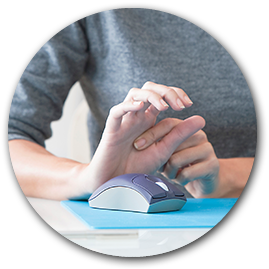
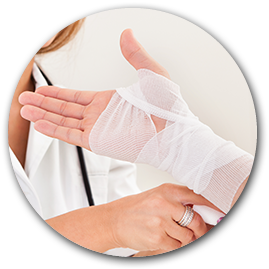
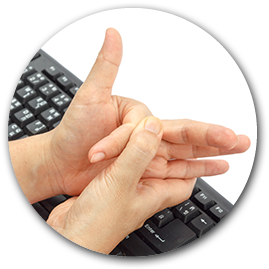
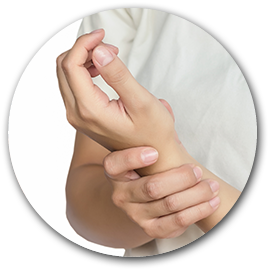
You count on your hands everyday to get things done. So when you have any injury, arthritis or fracture to your hand, make sure to call a hand doctor in Atlanta you can trust. Dr. Patel treats each one of his patients with the utmost care and compassion and takes the time to listen and personalize the right upper extremity treatment. He’s also the Chief of Surgery at Emory Adventist Hospital, so you know you’re in good hands. Atlanta Hand Specialists treat a myriad of upper extremity conditions including:
- Arthritis of the Hand
- Skin Burns
- Carpal Tunnel
- Hand Fractures
- Stiffness in the Hand
- Wrist Sprains
- …and anything else you need from one of the best hand surgeons in Atlanta
Our hand doctor in Atlanta is committed to personalizing the right combination of treatments for you. Dr. Patel takes the time to “listen to each patient’s concerns and help them return to a pain free, active lifestyle.” Dr. Patel is also very skilled when it comes to treating complex upper extremity conditions like:
- De Quervain’s Disease
- Dupuytren’s Disease
- Kleinbock’s Disease
- Tennis Elbow
Atlanta Hand Specialist has two fully staffed offices in Smyrna and Douglasville to serve you. To schedule a personal consultation with a highly respected hand doctor in Atlanta, call (770)-333-7888 or contact us today.
Lawnmower Injury
Lawnmower Injury Basics
As Spring rolls into high gear and the rain brings quickly growing grass, lawnmowers all over the city find their way out of winter hibernation in garages and into full use. If an operator of the lawnmower is not careful, it can cause serious injury to the hands. Lawnmowers are made to cut, and if a hand gets in the way trying to dislodge something that is “stuck” or the like, the blades of the lawnmower can cut through the skin and bones of the hand.
Safety Tips to Avoid Lawnmower Injuries
There are several things a person can do to protect their hands from lawnmower injuries:
- Keep your hands and fingers away from any moving parts and blades of the lawnmower at all times when it is running. This includes both the input and output areas of the lawnmower. Never go near a blade unless the machine is turned in the off position and the power cord is disconnected.
- If an object is lodged in the lawnmower, use a tool to remove it. Do not use your hands or fingers.
- Anytime you pick up a push mower or move it, make sure that the power is turned off and it is disconnected from the power source.
- Never lift a machine from the bottom, even if it is turned off. The blades are sharp and could cause injury even if they are not moving.
- When operating the lawnmower, make sure to wear protective clothing such as non-slip, closed toe shoes. Gloves can protect the hand to an extent; however, blades are sharp enough to cut through them.
- Never let children operate or play near the machine while it is in use.
Treatments for Lawnmower Injuries
Even if you are extremely careful, accidents can happen. Injuries from lawnmowers often times result in multiple finger amputations and infections are common. Infections can be treated with antibiotics, while multiple surgeries could be needed to patients with severe injuries. Most patients with severe injuries will not recover full, normal use of the hand.
If you obtain a serious injury from a lawnmower to the fingers or hands, it is highly important to head to the emergency department right away. If you need reconstructive surgery, Dr. Patel at Atlanta Hand Specialists is a highly trained, certified hand surgeon. Dr. Patel can work with you to help you regain as much function in your hand as possible.
Call Atlanta Hand Specialists at (770) 333-7888 to schedule your appointment with Dr. Patel.
Skin Cancer of the Hand
The skin is the most common part of the body where cancer develops. In the hand, the most common type of skin cancer is squamous cell carcinoma followed by basal cell carcinoma and melanoma. Other, more rare forms of skin cancer, such as Kaposi’s scarcoma, dermatofibrosacroma protuberans, sweat gland tumors, and Merkel cell carcinoma can also affect the hands.
Risk Factors for Skin Cancer
Sun exposure, light or fair complexion, and immune suppression are all risk factors for squamous cell carcinoma, basal cell carcinoma, and melanoma. Other factors include:
- Radiation exposure
- Exposure to certain chemicals such as arsenic
- Certain genetic conditions such as xeroderma pigmentosum and Gorlin syndrome
Pre-malignant lesions, such as actinic keratosis, cutaneous horns, and Bowden’s disease may develop into squamous carcinoma.
Family history and certain types of moles may also indicate a predisposition to melanoma.
What Does Skin Cancer Look Like?
Squamous cell carcinoma (SCC) usually creates small firm nodules on the skin. The nodules are often brown or tan in color, and may show scaling, ulceration, bleeding or crusting. The top layer can build up scales and create a cutaneous horn. Some SCCs look like large, mushroom-like growths, but sometimes it just appears like a cut or infection that isn’t healing.
Squamous cell carcinoma has significant potential to metastasize, especially in the lymph nodes.
Basal cell carcinoma appears as a small, well-defined nodule with a translucent, pearly boarder and overlying telangiectasias (abnormal superficial tiny blood vessels). Over time, they may ulcerate and begin to look like chronic sores. They tend to be slower-growing with less of a tendency to metastasize.
Melanomas often resemble moles or birthmarks. Lesions that show increased growth, variations in color or shape, irregular borders, and/or are larger than 6 mm (1/4 inch) in diameter are suspicious for melanoma. Melanomas have a very high potential to metastasize.
How is Skin Cancer Diagnosed?
You must first ask your doctor to inspect the suspicious skin lesion. Your doctor will then complete a physical examination and ask about your medical history.
A biopsy must be performed to confirm that the lesion is malignant. It can be done either by taking a small part of the big lesion or by excising and removing a small one in its entirety.
Your doctor will most likely examine your lymph nodes also, as they are a common site for metastasis, especially for melanoma and squamous cell carcinoma.
Other evaluations such as sentinel lymph node biopsy, CT scan, and/or PET scan may be necessary to check for metastasis, especially with melanoma.
Treatment Options for Skin Cancer
The standard treatment is surgical removal of the cancer with appropriate margins that are free of cancer cells at the edge of the excised tissue.
Additional treatment such as skin grafting, tissue flap coverage, local amputation, radiation and/or chemotherapy may also be necessary.
Prevention is the best treatment for skin cancer. Be sure to wear protective clothing, sunscreen, and avoid high-risk exposures to other causative agents.
Prognosis is much better with early detection. Check your skin regularly, and if you have noticed signs of skin cancer, call Atlanta Hand Specialist at (770) 333-7888 today. We have offices in Smyrna, Douglasville, and Marietta.
Scaphoid Non-Union
What is Scaphoid Non-Union?
There are eight small bones that make up the wrist, and they are arranged in two rows. The scaphoid bone is one of these bones, but it is special because it spans both rows of bones. Although it plays an important role in motion and stability, this positioning makes it more susceptible to injury. The scaphoid bone is extremely vulnerable to fracture, and it can easily go undetected. Since the blood supply to this bone is relatively low, it may not heal properly. When the bone does not heal properly, it is called scaphoid non-union.
When the bone does not heal properly, it can lead to loss of motion as well as arthritis. Other problems can arise as well, such as avascular necrosis. This is a lack of blood supply to the bone, which can cause it to die and collapse.
Diagnosis and Treatment
Scaphoid non-union can result from an untreated fracture, and it is most commonly present in a patient with a history of wrist injury. Possible indicators of scaphoid non-union include:
- Pain along the side of the thumb
- Pain along the wrist
- Diminished wrist mobility
- Diminished wrist extension
If you are experiencing symptoms such as these, it is advised to be checked by a hand specialist such as Dr. Patel at Atlanta Hand Specialists. Dr. Patel can confirm your injury by taking an X-ray of the wrist. He can then use those images to decide on a treatment. If the bone has developed avascular necrosis, an MRI may be necessary.
Dr. Patel will tailor your treatment depending upon the stage of the fracture and how long the injury has been present. Once a scaphoid fracture has failed to heal, the pattern of degeneration is fairly predictable. Most often it leads to changes in mobility of the wrist as well as arthritis. If arthritis has not set in, surgery and realignment is generally preferred.
In cases of established arthritis or where reconstruction has failed, surgery to heal the actual bone is no longer an option. Instead, Dr. Patel will focus on surgery that promotes pain improvement and maintaining a functional wrist.
Whatever your injury may be, the extensiveness of treatment will have to be decided upon by a certified hand specialist. If you believe that you have a scaphoid non-union, call Atlanta Hand Specialists at (770) 333-7888 to schedule your appointment today.
Scaphoid Fracture
A scaphoid fracture is a break in the scaphoid bone of the wrist.
The wrist is made up of two rows of bones, one closer to the forearm (proximal row) and the other closer to the hand (distal row). The scaphoid bone spans the two rows. Its unique position puts it at greater risk during injury, making it the most commonly fractured (broken) carpal bone.
How do Scaphoid Fractures Occur?
Fractures are most often caused by a fall onto the outstretched hand. You may experience pain initially, but it will decrease after a few days or weeks. Bruising is rare, and swelling is minimal.
Since there is no deformity, people with a scaphoid fracture often mistakenly assume their wrist is sprained and delay seeking out treatment. It’s common for people to remain unaware that they fractured the bone for month or even years.
Diagnosis
A scaphoid fracture is usually diagnosed by x-ray of the wrist. However, if the fracture is not displaced, an x-rays taken within the first week after the injury may not reveal the fracture. A non-displaced scaphoid fracture is sometimes incorrectly diagnosed as a “sprain” because the x-ray came back negative.
If you have significant tenderness directly over the scaphoid bone (which is located in the hollow at the thumb side of the wrist), this indicates that the bone may be fractured, and should be splinted.
You should be re-evaluated about two weeks after the initial x-ray. If findings are still suspicious, x-rays usually reveal the fracture due to changes in the bone at the edges of the fracture.
In cases where using a splint may cause undue hardship or if the x-rays remain negative but the clinical exam is still suspicious, your doctor may recommend using more sophisticated imaging techniques such as a CT scan, bone scan, or MRI.
Treatment
If the fracture is non-displaced, it can be treated by immobilization in a cast. The cast usually covers the forearm, hand, thumb, and sometimes the elbow for the first phase.
Although the fracture may heal in as little as six weeks, healing can be delayed. The fracture can disrupt the bone’s blood supply, which impairs healing. Part of the bone might even die after the fracture due to the loss of blood supply, particularly in the area of the bone closest to the forearm. If the fracture is in this zone, your doctor may recommend surgery. With surgery, a screw or pins are inserted, often with a bone graft to help heal the bone. This stabilizes the fracture.
You doctor may recommend surgery fixation even in non-displaced cases so as to avoid prolonged casting.
Complications From Scaphoid Fractures
Non-union: If a scaphoid fracture goes undetected, it may not heal. Sometimes, even with treatment, it may not heal due to poor blood supply. Over time, the abnormal motion and collapse of the bone fragments can lead to mal-alignment within the wrist, followed by arthritis.
If caught before arthritis has developed, your doctor may perform surgery to try to get the scaphoid to heal.
Avascular Necrosis: Part of the scaphoid may die due to lack of blood supply, causing the collapse of the bone and later arthritis. Again, if arthritis has not developed, your doctor may perform surgery to try to restore circulation to the bone.
Post Traumatic Arthritis: If arthritis has developed, your doctor may consider performing a salvage-type procedure such as removal of the degenerated bone or partial or complete fusion of the wrist joint.
If you think you may have a scaphoid fracture, call Atlanta Hand Specialist at (770) 333-7888 today. We have offices in Smyrna, Douglasville, and Marietta.
Replantation
What is Replantation?
Replantation is the surgical reattachment of a finger, hand or arm that has been completely cut from a person’s body. The goal is to restore as much function as possible to the injured area. Replantation is not always possible because a part may be too damaged. If this is the case, a patient may decide to use a prosthesis.
Replantation is recommended when the replanted part will work at least as well as a prosthesis. If a missing finger or hand would not work, be painful or get in the way of everyday life, it won’t be reattached.
Dr. Patel will carefully evaluate your injury and discuss your options during your visit.
How is Replantation Performed?
Dr. Patel will start by carefully removing the damaged tissue. He then shortens the bone ends and rejoins them with pins or plates. This holds the part in place, allowing for the rest of the tissue to be restored to a normal position. He will then proceed to repair muscles, tendons, arteries, nerves and veins.
What Kind of Recovery Can You Expect?
As the patient, you have the most important role in the recovery process. Smoking causes poor circulation and may contribute to loss of blood flow in the replanted area. Allowing the replanted area to hand below the heart level may also contribute to poor circulation.
Younger patients have a better chance of their nerves growing back, and may regain more feeling and function in the replanted area.
Generally, the further down the arm the injury occurred, the better the return of use. If you have not injured a joint, you will also get more movement back. A cleanly cut part normally works better after replantation than one that has been crushed or pulled off.
Recovery of use depends on re-growth of the sensory nerves (which let you feel) and motor nerves (which tell your muscles to move). Nerves grow about an inch per month, so the number of inches from the finger to the tip of the finger will give you the minimum number of months after which you will be able to feel something with that fingertip.
The replanted part will never regain 100% of its original use. Most doctors consider 60% to 80% of use to be an excellent result.
Rehabilitation and Therapy
From the beginning, braces are used to protect the newly repaired tendons but allow you to move the replanted part. Therapy with limited motion will help keep the joints from getting stiff, keep the muscles mobile, and minimize scaring tissue.
Even after recovery, you may not be able to do everything you wish to do. Tailor-made devices may assist with special activities or hobbies. Talk to Dr. Patel or your therapist to learn more about such devices.
Emotional Problems Following Replantation
Replantation sometimes affects patients emotionally. Once your bandages are removed and you see the replanted part for the first time, you may feel shock, grief, anger, disbelief or disappointment because the replanted part doesn’t look like it did before. Worries about the appearance of a replanted part and how it will work are common.
Talking about these feelings with Dr. Patel can help you come to terms with the outcome. Dr. Patel may also ask a counselor to assist with this process.
Is Additional Surgery Necessary?
Some patients require additional surgery to improve function of the part. The most common procedures are:
- Tenolysis, which frees tendons from scar tissue.
- Capsulotomy, which releases stiff, locked joints.
- Tendon or muscle transfer, which moves the tendons or muscles to another spot so that they can work in an area that needs the tendon or muscle more.
- Nerve grafting, which replaces a scarred nerve or gap in the nerve to improve function.
- Late amputation, which involves removing the part because it does not work well, interferes with function, or has become painful.
Find out if replantation is right for you. Call (770) 333-7888 to schedule your appointment with Atlanta Hand Specialist today.
Power Saw Injuries
Any structure that comes into contact with a saw blade can be injured. Scrapes and cuts can damage the skin. Deeper injuries can damage tendons and muscles of the fingers, thumb, or wrist and affect the way the move. A nerve may be cut, resulting in the loss of feeling or the loss of ability to control certain muscles. If an artery is injured, circulation may be lost. Fractures can also occur in the shaft of the bone or in the joint, sometimes with loss of bone substance. Amputations can also occur.
The severity of a power saw injury can vary depending on several factors:
- The level at which the injury occurs (fingertip vs. hand vs. forearm).
- The depth of the injury (skin only vs. tendons, nerves, arteries and bone).
- Characteristics of the saw such as thickness, tooth pattern, and type and force of the saw. For example, jigsaws tend to have a finer, sharper cut, whereas a chainsaw is much more powerful with an aggressive blade than can tear out more tissue.
No matter the injury, always seek medical attention as soon as possible. The damage done to a finger, hand or any site often exceeds what is visible due to the force. A delay in treatment increases your risk of infection and tissue loss.
Treating Power Saw Injuries
A simple cut may be treated with stitches or bandages, while a larger area of skin loss may require a skin graft for coverage. Tendon and nerve injuries may require repair, but if too much shredding has occurred or there is an excessive loss of the tendon and/or nerve tissue, a repair may not be possible. Fractures can be repaired with pin, wires, or plates and screws. A severely damaged joint may need to be fused permanently. In some cases, an amputation can be replanted. Amputation of a single finger may be best treated by leaving it off, as the reattached finger may affect function of the hand.
In any case, the goal of treatment is to optimize the overall function of the hand. Yet residual impairment such as weakness, stiffness, numbness, or loss of parts is possible with many of these types of injuries.
If you were injured by a power saw, call (770) 333-7888 to make an appointment with Atlanta Hand Specialist today.
Numbness and Tingling
Although carpal tunnel syndrome is common, it is not always the cause of hand tingling and numbness.
Compression neuropathy (local pressure on a nerve) can cause numbness in distinct patterns that follow the area supplied by the nerve. Additionally, the muscles controlled by the compression nerve may be weak, wasting or twitching. The pressure may result from:
- Thickened muscles
- Bands of connective tissue
- Enlarged blood vessels
- Ganglion cysts
- Arthritic spurs
Ulnar nerve compression at the wrist results in numbness and tingling of the little finger, part of the ring finger, and the little finger (ulnar side) of the palm. When ulnar nerve pressure is at the elbow, it causes not only numbness in the fingers, but on the back of the ulnar side of the hand.
Pressure on the radial nerve in the forearm or above the wrist can result in numbness over the back of the thumb, index finger, and the web between these two digits. When the media nerve is compressed at or below the elbow, numbness occurs not only in the same areas as in CTS but also over the palm at the base of the thumb.
Compression neuropathies may require surgery to relieve pressure on the nerves.
Causes of Hand Numbness Tingling (Other than Carpal Tunnel)
Nerves in the hand and forearm originate in the neck. Pressure on the nerves in the neck can be caused by numerous conditions.
Arthritis may cause bone spurs or narrowing of the spinal canal, which puts pressure on the nerves. Degenerating discs may press directly on the nerves at the spinal column or as they leave the spinal column and pass to the upper limbs.
Other causes of pressure on the spinal cord include:
- Diseases of the central nervous system like multiple sclerosis or stroke
- Infections
- Blood vessel abnormalities
- Other conditions of the spinal cord itself
Any of these conditions can result in numbness, tingling or aching in the arm, forearm or hand. You may also experience weakness and/or wasting of muscles or decreased reflexes in the arm and forearm. A nerve may suffer from pressure at more than one area. For example, if a nerve is compressed in the neck, and further down, like at the wrist, this is known as a “double crush”.
Peripheral Neuropathy
If symptoms are more diffused, meaning, they occur in the hands and forearms (and in the legs and feet), they may be caused by a condition called “peripheral neuropathy”. The pattern of numbness is usually generalized like the pattern of a glove. You may or may not experience pain, but the numbness may be constant. Causes of peripheral neuropathy include:
- Diabetes
- Alcoholism
- Old age
- Poisoning from metal and industrial compounds
Other Causes of Hand Numbness and Tingling
Certain medications, such as cancer drug treatments, can cause numbness and tingling, which often resolve after completion of chemotherapy treatment. Others may cause permanent numbness.
Nutritional deficiencies such as vitamin B1 deficiency can cause numbness and tingling.
Diagnosing Hand Numbness and Tingling
The pattern and distribution of your symptoms will help your doctor determine of the source if pressure at the nerve at particular level (e.g. neck, wrist, elbow), disease, medication, nutritional, or other condition.
Further testing such as an X-ray, MRI, nerve tests (such as EMG) or blood test may be necessary to confirm a diagnosis before treatment recommendations are made.
Call (770) 333-7888 to schedule your appointment with Atlanta Hand Specialist today.
Hand Nerve Injuries
Nerves carry messages from the brain to the rest of the body. Each nerve is like a telephone cable covered in insulation. The outer layer protects the nerve, just like the insulation surrounding a telephone cable. Each nerve contains millions of individual fibers grouped in bundles with the insulated cable.
Hand Nerve Injuries
Nerves are fragile and can easily be damaged by pressure, stretching or cutting. Pressure injuries can break the fibers carrying information and stop the nerve from working, without disrupting the insulating cover. When a nerve is cut, it breaks both the nerve and the insulation.
A nerve injury can prevent the transmission of signals to and from the brain, preventing the muscles from working. This results in the loss of feeling in the area supplied by that nerve.
When a nerve fiber is broken, the end of the fiber farthest from the brain dies, but the insulation stays intact, leaving the nerve tube empty. The end that is closest to the brain doesn’t die, and may begin to heal overtime. If the insulation has not been cut, nerve fibers can grow down the empty tube until they reach a muscle or sensory receptor. If both the nerve and insulation have been cut and the nerve is not repaired, the growing nerve fibers may grow into a ball at the end of the cut, forming a nerve scar called a ‘neuroma’. A neuroma may be painful and can cause an electrical feeling when touched.
Nerve Injury Treatment
A cut nerve can be repaired by sewing together the insulation around both ends of the nerve. A nerve in a finger is only as thick as a piece of thin piece of spaghetti; therefore the stitches must be very tiny and thin. You may need to protect the nerve with a splint for the first three weeks to prevent it from stretching apart.
The goal is to fix the outer cover so that the nerve fibers can grow down the empty tube to the muscles and sensory to work again. Dr. Patel will line up the ends of the nerve repair so that the fibers and empty tubes match up with each other as best as possible. Because there are millions of fibers in the nerve, not all of the original connections are likely to be re-established.
If the wound is dirty or crushed, Dr. Patel may wait until the skin has healed to fix the nerve. If there is a gap between the nerves, Dr. Patel may take a piece of the nerve (nerve graft) from another part of the body to fix the injured nerve. The procedure may cause permanent loss of feeling in the area where the nerve graft was taken. Sometimes smaller gaps can be bridged with “conduits” made from a vein or special cylinder.
Once the nerve cover is repaired, nerve fibers should begin to grow across the repair site after three to four weeks. The nerve fibers then grow down to the empty nerve tubes up to one inch every month, depending on your age and other factors. This means that a nerve injury in the arm 11 or 12 inches above the fingertips may take as long as a year to finish growing. You notice a feeling of pins and needles in the fingertips during the healing process. This is a sign of recovery and should pass.
Recovery for a Nerve Injury
You should be aware of several things while you’re waiting for the nerve to heal. Dr. Patel may recommend therapy to keep joints flexible. If the joint becomes stiff, they won’t work even after the muscle begins to function properly.
If a sensory nerve has been injured, you must be extra careful not to burn or cut your finger since there is no feeling in the area. Once the nerve recovers, the brain gets “lazy” and a procedure called sensory re-education may be necessary to improve feeling to the hand or finger. Dr. Patel will recommend the appropriate therapy based on your injury.
Age, type of wound, and location of the injury can affect the healing process. Although a nerve injury may create a lasting problem, proper care and therapy will help you achieve more normal use.
Call (770) 333-7888 to schedule your appointment with Atlanta Hand Specialist today.
Nail Bed Injuries
Nail bed injuries are often associated with damage to other structures that are in the same location. These include:
- Bone fractures (distal phalanx)
- Nail bed or fingertip skin (pulp) cuts
- Tendons that straighten or bend the fingertip
- Nerve endings
Many result from crushing injuries such as getting the fingertip caught in a door. Any type of pinching, crushing, or sharp cut to the fingertip can cause a nail bed injury.
Identifying a Nail Bed Injury
A simple fingertip crush may result in a very painful collection of blood (hematoma) under the nail. More severe injuries may result in the nail cracking into pieces or tearing off pieces of the nail and/or fingertip as well as possible injuries to the adjacent structures.
Diagnosis of Nail Bed Injuries
Dr. Patel will ask for a history of the cause of the injury and may recommend x-rays to look for associated fractures that may require treatment. The full extent of the injury may not be apparent until the nail bed is examined with magnification.
Nail Bed Injury Treatment
Treatment involves the restoration of the anatomy of the nail and surrounding structures. Below are several treatment options:
- A simple hematoma is drained by making a small hole in the nail in order to relieve the pressure and provide pain relief.
- Straightforward cuts will be repaired to put the parts back where they belong.
- If bone fragments are attached, restoration involves alignment of the fractures of the fingertip.
- Larger bone fragments may need to be pinned or require splinting to heal.
- Missing areas of nail bed may be grafted from the same finger or other digits.
- A tendon injury may require splinting or pinning.
- Local flaps of skin can replace missing skin, or the open area of skin may be allowed to heal on its own, or covered with a skin graft.
The final appearance and function of the nail and surrounding structures depends on the restoration of the anatomy. If the injury is sharp and can be repaired, the nail can be restored to normal. If the nail bed has been severely crushed, there is a greater likelihood of scarring and deformity of the nail. If the germinal matrix (crescent-shaped zone at the base of the nail bed) is injured, the nail may become deformed as it grows. The function of the fingertip also depends on the extent of the injury to other structures. It normally takes three to six months for the nail to grow from the cuticle to the tip of the finger.
Call (770) 333-7888 to make your appointment with Atlanta Hand Specialist today.